

The Benefits of an Island Extractor Hood
A kitchen extractor hood clears the air in your kitchen, assisting to keep walls and ceilings looking pristine. It likewise removes cooking odours and avoids grease from constructing up on your worktop.
An island extractor hood produces a striking style declaration within your kitchen, with plenty of sizes and materials available. There are three primary cooker hood types: downdraft, ceiling and island.
Extraction capacity
Having an extractor hood above your hob will assist to remove any cooking smoke, steam and odours that can develop in your kitchen. This will keep your home smelling fresh and healthy, along with keeping the walls and ceilings devoid of discoloured grease and paint. Our range of island extractor hoods have a terrific selection of designs and designs, so you can discover a cooker hood that fits completely with your home design and design.
Chimney style island extractor hoods are hung from the ceiling and can be vented out of your home utilizing ducting, or they can be utilized with a recirculation system which uses charcoal filters to sieve out the smoke, steam, smells and grease before pressing it back into your kitchen. The recirculating alternative is the very best option for those with low ceilings as an island extractor fan might be too large to leave a safe distance in between the system and your hob in a little space.
Island chimney hoods tend to be a lot larger than a typical ceiling cooker hood as they have been designed to be a centrepiece of your kitchen, along with being extremely efficient at getting rid of smoke, steam and odours from the air. This makes them an exceptional option for those who like to prepare or entertain in their home. They can also be utilized as a feature piece to separate an open-plan dining and living location, creating a break between the two rooms.
A recirculating island extractor will not need ducting and can just be plugged in to your electrical system. The odours, steam and grease will be drawn in through the hood, through charcoal filters and after that pressed out of your kitchen once again. This is the most cost-efficient and useful choice for smaller sized homes with less area.
The extraction capacity of your extractor will depend upon the type and strength of cooking you carry out in your home, as well as how high your ceilings are. A downdraft extractor will generally have a lower extraction rate than an island or ceiling extractor, as they work by sitting in your work space behind your hob and increasing up to the ceiling when activated.
Style
The style of an island cooker hood is an essential factor to consider for any kitchen. Unlike wall-mounted extractors, these systems are placed in the centre of the space, which implies they need to be trendy and visually enticing. There are a variety of designs and materials to pick from, so you can discover one that suits your kitchen style and budget plan. In addition to being visually pleasing, an island extractor hood can likewise enhance your home's energy effectiveness by minimizing condensation and humidity.
Depending upon your particular requirements, you can choose either a ducted or ductless setup. In a ducted setup, the extractor is linked to an air exhaust system that performs cooking vapors outdoors. This kind of hood is perfect for large open-plan kitchen areas, as it can keep the space smoke and odour totally free. Additionally, you can pick to use a non-vented island extractor hood, which uses charcoal filters to sieve out the smells and grease particles. This kind of hood can be easier to set up, but it might need more maintenance than a ducted unit.
An island extractor hood ought to be placed a minimum of 24 to 30 inches above your stove. This is the ideal height for optimal ventilation, and it will guarantee that you get optimal efficiency from your extractor hood. Moreover, it is necessary to follow the manufacturer's setup directions thoroughly. This will assist you prevent unanticipated concerns.
While island extractors are a fantastic option for larger cooking areas, they can be hard to install in smaller sized areas with low ceilings. You can still install a kitchen extractor in your small space by using a ceiling hood or downdraft cooker hood. These models are normally created to be quieter than island extractors and have a low sound level, however they do not have as much extraction capacity as an island extractor.
Aside from increasing your home value, an island extractor hood can make your kitchen look more modern-day and glamorous. This will be appreciated by potential purchasers, especially if you prepare on selling your home in the future. However, it is necessary to consider your lifestyle and household size when choosing an extractor hood.
Setup
Island extractor hoods are set up in the ceiling above your cooking location, and they serve as both a practical kitchen appliance and an elegant design declaration. They work quickly to clear your cooking space of smells and airborne grease particles, keeping your kitchen safe and hygienic. ovensandhobs in a large range of styles and sizes, they can be discovered to suit every kitchen visual.
They are available in two important types - ducted and ductless. The ducted option requires the hood to be connected to an air exhaust system, which will allow it to expel cooking smells and airborne grease into the outdoors. The ductless variation, on the other hand, will still filter out the same odours and gases however won't need to vent outside. This choice is perfect for those who wish to simplify their setup but can't pay for to install a duct system or simply prefer not to do so.
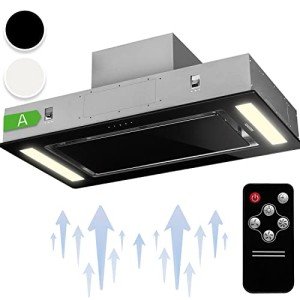
It's important that your island hood is correctly installed to ensure it will eliminate smoke, smells and grease particles successfully. It's likewise necessary to inspect that the hood is not too near your range, as this could trigger it to over-ventilate your kitchen or pull smells towards one side of your room rather than out. To avoid this, make certain you follow the maker's directions and adhere to the suggested range from your hob.
Aside from their function, Island cooker hoods also offer ample lighting for your kitchen space. Some even feature integrated LED lights to assist brighten your cooktop, making it simpler to watch on your meal as you prepare it. They are usually electrical, and might include motorised height adjustment, overheat security, thermal sensors, a filter cleansing suggestion, noise cancellation and temperature level display.
A ducted island hood will require to be linked to an external air exhaust system to vent the cooking odours and steam into the outdoors. It's a favored option for those who do not mind having their cooker hood vented to the outside, but it does need routine upkeep and cleansing. If you 'd prefer to simplify your hood setup, you can convert your ducted extractor into a non-vented one by utilizing carbon filters or a recirculation set that sieves the air and pumps it back into the room.
Sound
The primary job of any extractor hood is to clear the kitchen air of smoke, moisture and undesirable food smells. However, the hood isn't just a practical home appliance; it can likewise act as a strong style declaration, striking the ideal balance in between functionality and aesthetic appeals. The Magnet series of island extractor hoods uses both, with designs that are both sleek and eye-catching, guaranteeing the hood effortlessly mixes into your kitchen's décor and design.
With the current trend for open idea kitchen and living areas, it's crucial to consider how the sound of family devices will impact the general area. Thankfully, the most current technology has been designed to minimize extractor hood sound levels without compromising on extraction efficiency. With extractor hoods now being utilized more than ever before, it's crucial to think about the noise level of any model you buy.
There are three various kinds of extractor hoods available; downdraft, ceiling and island. Downdraft extractors are set up beneath your hob and rise up directly next to your range when in usage, meaning that smoke, smells and steam are immediately sucked into the hood and away from the cook. Ceiling extractors sit flush to the ceiling and are usually push-button control. Since they are so close to the hob, it's necessary that downdrafts and ceiling extractors are installed by a qualified professional to avoid any concerns with gas or electrical fires.
An island extractor hood can be vented to the outdoors by means of an external wall or recirculated utilizing charcoal filters, making them a flexible option for any kitchen. When recirculated, the smoke, odours and grease from the hob are sucked up into the hood, through charcoal filters, where they're then cleaned up and pushed back into your kitchen-- getting rid of the requirement for external ventilation.
Island extractors are typically the noisiest type of hood, specifically when they're at complete power. The noise produced is triggered by the impact of the air on the filters, which can produce a high-pitched whistling noise. Some producers, such as Elica, offer a range of quiet hoods which are geared up with Comfort Silence innovation, to make sure that even at maximum extraction speed, a hood won't interrupt or interrupt any enjoyable discussion in the kitchen.